
Daily News Analysis
Our daily news analysis consists of two integral parts — Daily News Analysis and Important Editorials curated rigorously from The Hindu, The Indian Express, LiveMint, PIB, and Sansad TV debates. Content is mapped directly to UPSC CSE and State PCS syllabi.

Kamchatka Peninsula: Volcanoes, Earthquakes, Plate Tectonics and UPSC Geography
The Kamchatka Peninsula in Russia’s Far East is a major geographical hotspot known for active volcanoes, powerful earthquakes and complex plate tectonics. This UPSC-focused article explains its location, the Pacific Ring of Fire, the subduction of the Pacific Plate, major physical features, seismic vulnerability and significance for disaster management and physical geography.
Census (Amendment) Rules 2026: Eligibility, Digital Census and UPSC Relevance
The Census (Amendment) Rules, 2026, broaden the pool of personnel eligible for Census enumeration by including private-sector employees, teachers and other suitable personnel. Understand the key provisions, legal framework, significance for India's upcoming digital Census, implementation challenges and important Prelims and Mains angles for UPSC Civil Services Examination.

Public Private Partnership: PPP Models in India | UPSC
Understand Public Private Partnership models in India, risk allocation and government support. Explore PPP benefits, challenges and UPSC notes. Public Private Partnership combines public-sector responsibilities with private-sector investment or management through a defined contractual arrangement. This article explains PPP models, financing, risk allocation, institutional support and accountability, with focused analysis for UPSC preparation.
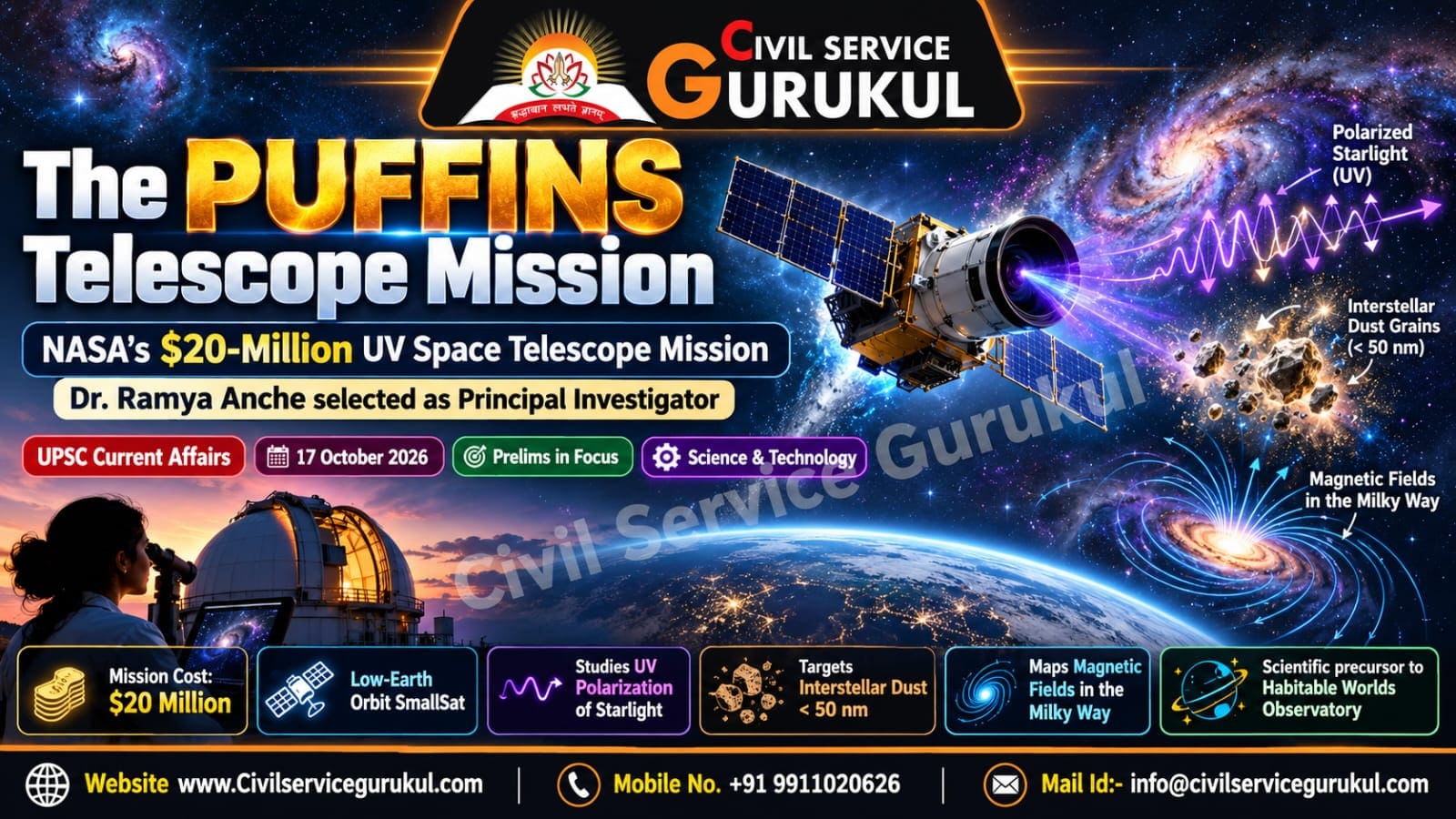
PM-SETU Scheme 2026: Modernising ITIs, Skill Development and Employment in India | UPSC
The PM-SETU Scheme aims to modernise Industrial Training Institutes (ITIs) through industry-aligned vocational education, upgraded infrastructure and future-ready skills. This UPSC-focused article explains the scheme's objectives, Hub-and-Spoke model, public-private partnerships, trainer development and employment potential. It also examines implementation challenges, the importance of industry-linked training and the scheme's relevance to skill development, inclusive growth and India's workforce readiness.

Ethical Education in India: Values, NEP 2020 and UPSC GS Paper 4
Ethical education helps build integrity, empathy, constitutional values and responsible citizenship alongside academic achievement. Explore the role of families, teachers and educational institutions in developing moral reasoning, addressing exam-centric learning, preventing cyberbullying and strengthening social responsibility. This UPSC-focused guide covers NEP 2020, key implementation challenges, practical reforms and GS Paper 4 Mains answer-writing questions.

Ethical Education: Building Integrity, Empathy and Responsible Citizens for a Just Society
Ethical education goes beyond academic achievement to develop honesty, empathy, integrity, constitutional values and social responsibility. In an increasingly competitive and digitally connected society, schools, families and educational institutions play a vital role in addressing cyberbullying, intolerance, corruption and declining civic values. This UPSC-focused article examines the importance of value-based education, the National Education Policy (NEP) 2020, key implementation challenges and practical reforms, with relevance to GS Paper 4, ethics case studies and Mains answer writing.
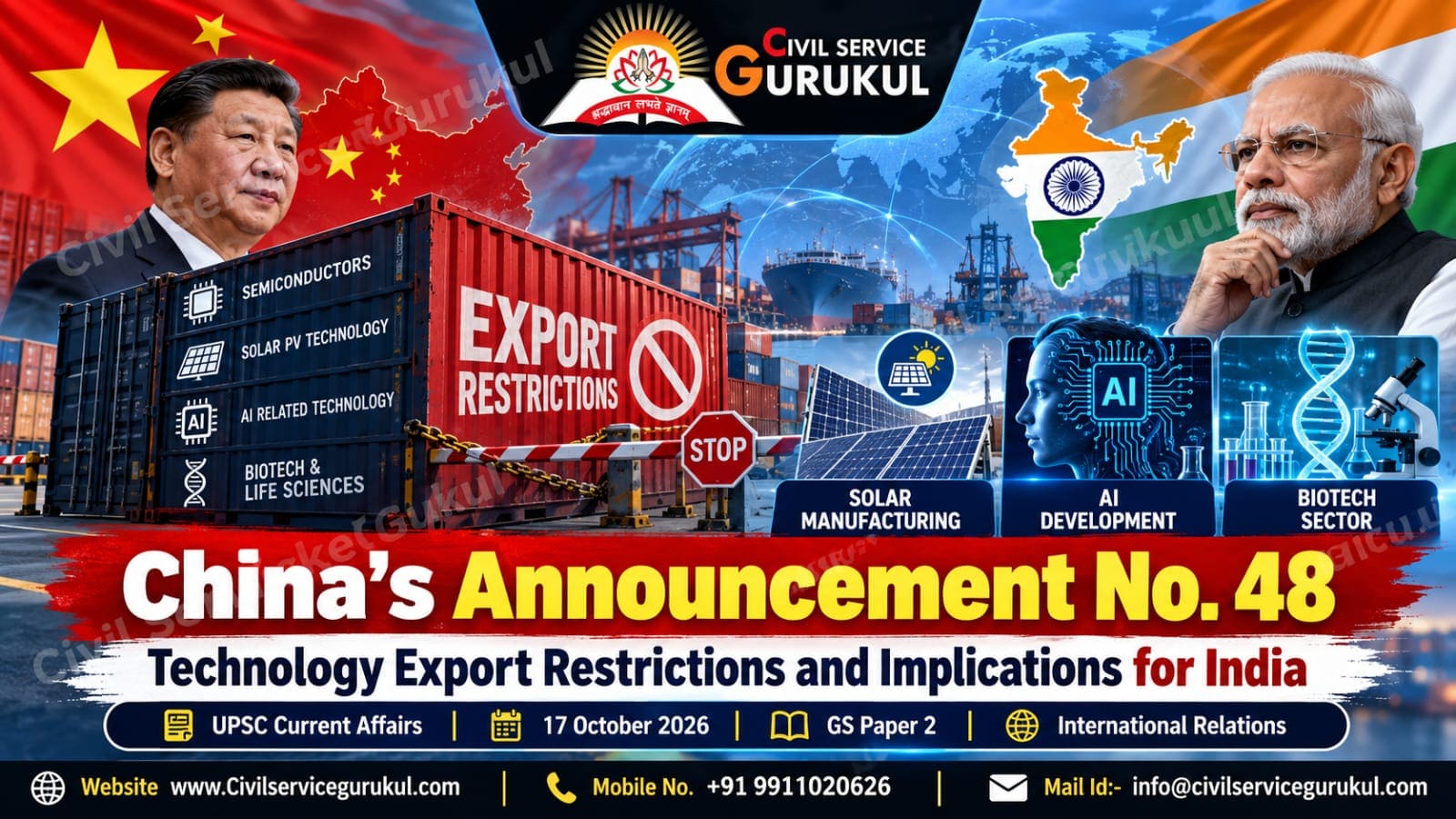
China’s Technology Export Restrictions: Implications for India’s Solar Industry, AI and Strategic Autonomy
China’s proposed Announcement No. 48 seeks to restrict or prohibit exports of 40 strategic technologies across artificial intelligence, solar photovoltaics and biomedicine. The proposal raises important questions for India’s manufacturing ambitions, clean-energy transition, technology security and strategic autonomy. This UPSC-focused analysis explores the possible implications for India, policy responses to strengthen domestic innovation, and key takeaways for GS Paper 2, GS Paper 3 and Prelims preparation. The proposed controls should not be treated as fully implemented rules.
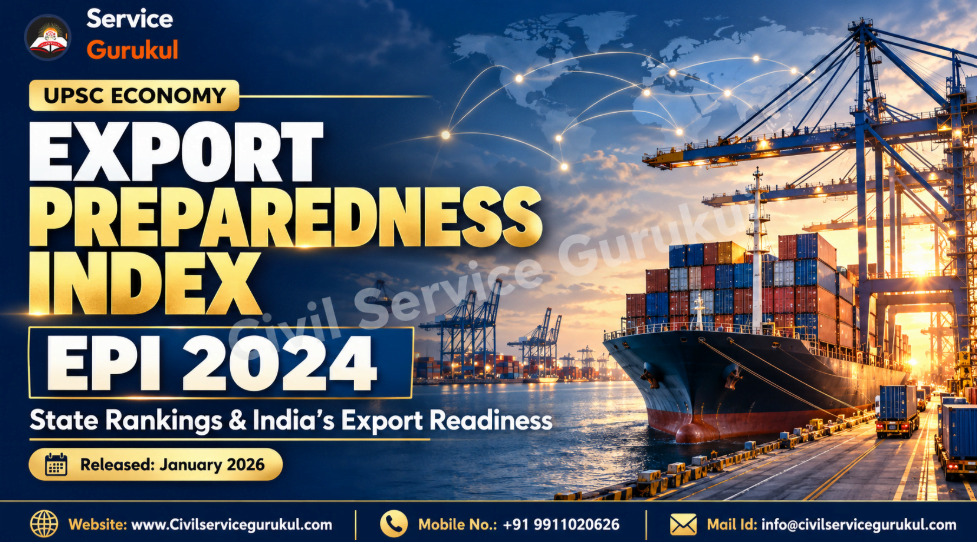
Export Preparedness Index: EPI 2024 Rankings & UPSC Notes
Explore NITI Aayog’s Export Preparedness Index, EPI 2024 rankings, and four pillars and their significance for India’s export competitiveness and UPSC preparation. The Export Preparedness Index evaluates the export readiness of India’s states and Union Territories. Released in January 2026, EPI 2024 examines infrastructure, business ecosystem, policy and governance, and export performance to identify strengths and reform priorities.

India Exports Rise 23.04% in September 2026 | UPSC Notes
India’s goods exports rose 23.04% in September 2026 as the trade deficit narrowed year-on-year. Explore key figures and UPSC economy insights. India’s merchandise exports increased sharply in September 2026, helping narrow the goods trade deficit compared with the same month a year earlier. The development highlights the importance of distinguishing goods from services, annual comparisons from monthly movements, and the trade balance from the current account.