
Daily News Analysis
Our daily news analysis consists of two integral parts — Daily News Analysis and Important Editorials curated rigorously from The Hindu, The Indian Express, LiveMint, PIB, and Sansad TV debates. Content is mapped directly to UPSC CSE and State PCS syllabi.
Conversion and Reservation: Supreme Court Ruling | UPSC
India’s campaign for a non-permanent seat on the United Nations Security Council for 2028–29 highlights the importance of multilateral diplomacy, regional partnerships and global governance reform. This article explains the UNSC election process, India’s strategic interests, the challenges of securing international support and the issue’s significance for UPSC Civil Services Prelims and Mains.
CCRAS SPARK 5.0 & Ayurshodh 2026: UPSC Research Guide
Explore CCRAS SPARK 5.0 and Ayurshodh 2026, their objectives, and their significance. Understand Ayurveda research, innovation, and key UPSC concepts. : CCRAS SPARK 5.0 supports research exposure among undergraduate Ayurveda students, while Ayurshodh 2026 recognises research communication, original publications, and innovation. Together, they highlight the importance of research capacity, scientific evaluation, and responsible communication in India’s traditional-medicine ecosystem.

World Food Day 2026: India’s Food Security | UPSC Guide
Explore World Food Day 2026, its theme and India’s food security challenges. Understand nutrition, NFSA, and key policy priorities for UPSC. World Food Day 2026, observed on 16 October, carries the theme “Innovate today. Nourish tomorrow.” This article examines India’s food-security challenges through food availability, affordability, nutrition, and resilience, with focused explanations of public programs and UPSC concepts.
Kigali Amendment 2026: India’s HFC Phase-Down | UPSC
Understand the Kigali Amendment, India’s HFC phase-down schedule and the significance of 2026. Explore climate benefits and essential UPSC notes. The Kigali Amendment provides for a phased reduction in HFC production and consumption under the Montreal Protocol. For India, 2026 is the final year of the 2024–2026 HFC baseline period, followed by a freeze in 2028 and scheduled reductions beginning in 2032. The transition connects climate mitigation with affordable, energy-efficient cooling
Keralam Ecosystem Red List Assessment: UPSC Biodiversity Notes
Keralam has launched India’s first State-level Red List Assessment of Ecosystems to identify habitats at risk of degradation and ecological collapse. Using the IUCN Red List of Ecosystems framework, the initiative aims to assess forests, wetlands, river systems, grasslands and coastal ecosystems across the state. Explore its objectives, conservation significance, decentralised planning benefits and importance for UPSC Civil Services preparation.

India’s 103 Ramsar Sites: Sukhna Wetland and Sauj Jheel — UPSC Environment Guide
India’s Ramsar wetlands play a vital role in biodiversity conservation, water management and ecological resilience. This article explores Sukhna Wetland in Chandigarh and Sauj Jheel in Uttar Pradesh, explaining their geographical locations, ecological significance, wildlife habitats, conservation challenges and relevance for the UPSC Civil Services Examination. It also includes quick revision facts and a practice question for aspirants.
State Finances in India 2026: RBI Report & UPSC Notes
India's state finances face growing pressure from public debt, salaries, pensions, subsidies, and infrastructure requirements. Explore RBI's State Finances: A Study of Budgets of 2025–26, the Sixteenth Finance Commission, GST revenue, fiscal deficit, capital expenditure, and key reforms for UPSC Prelims and Mains

India Exports Rise 23.04% in September 2026 | UPSC Notes
India’s goods exports rose 23.04% in September 2026 as the trade deficit narrowed year-on-year. Explore key figures and UPSC economy insights. India’s merchandise exports increased sharply in September 2026, helping narrow the goods trade deficit compared with the same month a year earlier. The development highlights the importance of distinguishing goods from services, annual comparisons from monthly movements, and the trade balance from the current account.
Export Preparedness Index: EPI 2024 Rankings & UPSC Notes
Explore NITI Aayog’s Export Preparedness Index, EPI 2024 rankings, and four pillars and their significance for India’s export competitiveness and UPSC preparation. The Export Preparedness Index evaluates the export readiness of India’s states and Union Territories. Released in January 2026, EPI 2024 examines infrastructure, business ecosystem, policy and governance, and export performance to identify strengths and reform priorities.
China’s Technology Export Restrictions: Implications for India’s Solar Industry, AI and Strategic Autonomy
China’s proposed Announcement No. 48 seeks to restrict or prohibit exports of 40 strategic technologies across artificial intelligence, solar photovoltaics and biomedicine. The proposal raises important questions for India’s manufacturing ambitions, clean-energy transition, technology security and strategic autonomy. This UPSC-focused analysis explores the possible implications for India, policy responses to strengthen domestic innovation, and key takeaways for GS Paper 2, GS Paper 3 and Prelims preparation. The proposed controls should not be treated as fully implemented rules.
Ethical Education: Building Integrity, Empathy and Responsible Citizens for a Just Society
Ethical education goes beyond academic achievement to develop honesty, empathy, integrity, constitutional values and social responsibility. In an increasingly competitive and digitally connected society, schools, families and educational institutions play a vital role in addressing cyberbullying, intolerance, corruption and declining civic values. This UPSC-focused article examines the importance of value-based education, the National Education Policy (NEP) 2020, key implementation challenges and practical reforms, with relevance to GS Paper 4, ethics case studies and Mains answer writing.
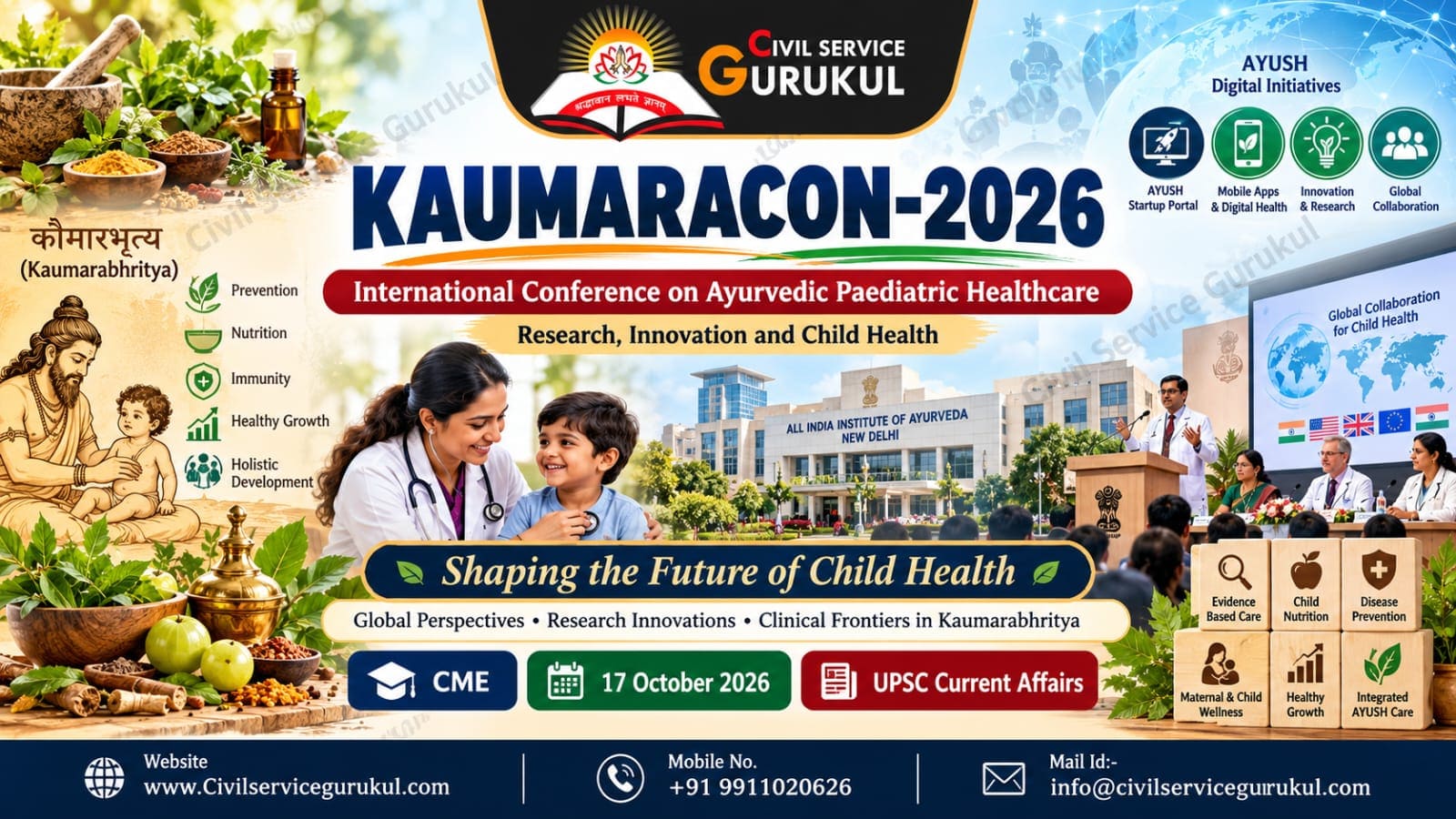
Ethical Education in India: Values, NEP 2020 and UPSC GS Paper 4
Ethical education helps build integrity, empathy, constitutional values and responsible citizenship alongside academic achievement. Explore the role of families, teachers and educational institutions in developing moral reasoning, addressing exam-centric learning, preventing cyberbullying and strengthening social responsibility. This UPSC-focused guide covers NEP 2020, key implementation challenges, practical reforms and GS Paper 4 Mains answer-writing questions.
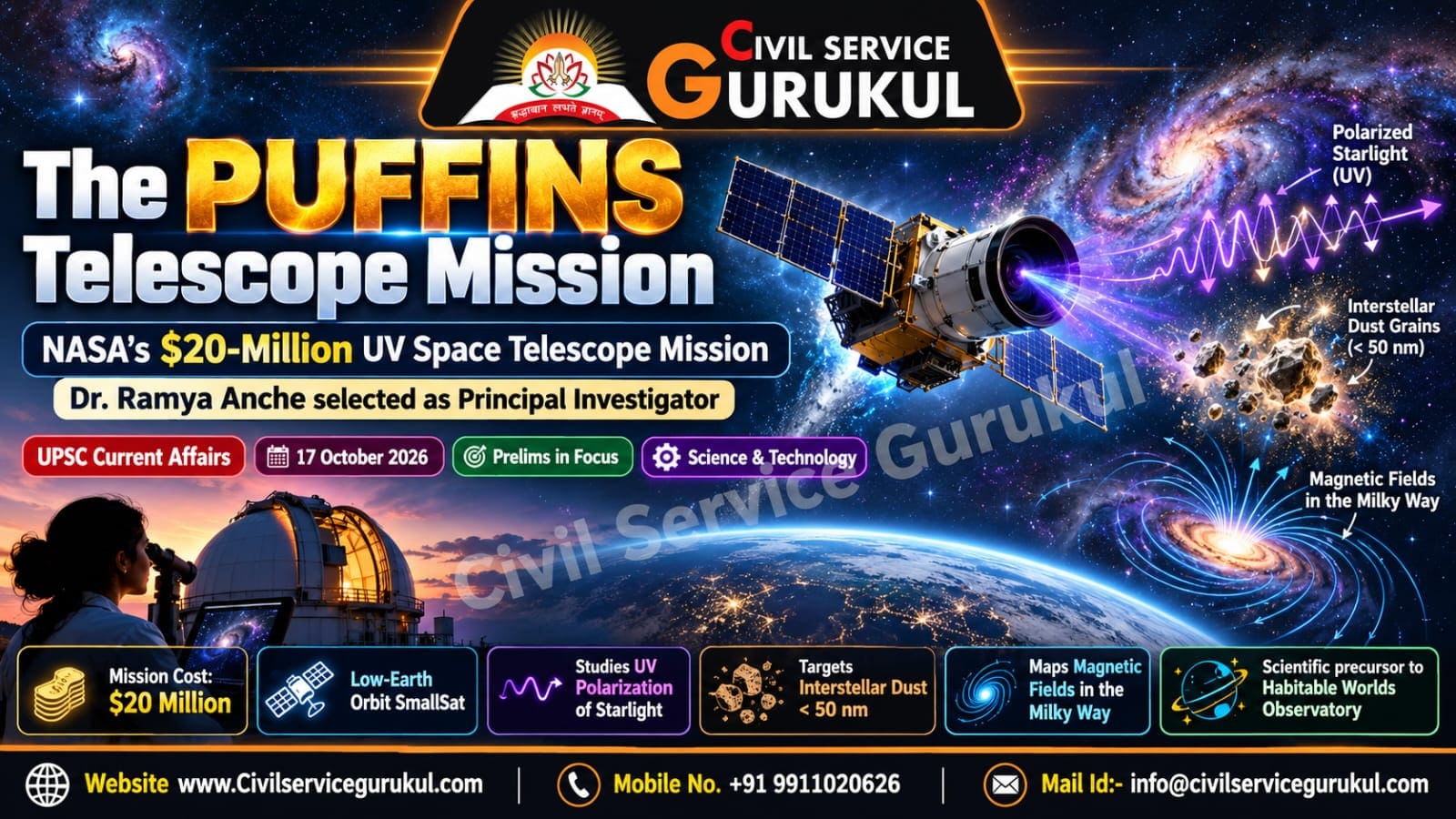
PM-SETU Scheme 2026: Modernising ITIs, Skill Development and Employment in India | UPSC
The PM-SETU Scheme aims to modernise Industrial Training Institutes (ITIs) through industry-aligned vocational education, upgraded infrastructure and future-ready skills. This UPSC-focused article explains the scheme's objectives, Hub-and-Spoke model, public-private partnerships, trainer development and employment potential. It also examines implementation challenges, the importance of industry-linked training and the scheme's relevance to skill development, inclusive growth and India's workforce readiness.

Public Private Partnership: PPP Models in India | UPSC
Understand Public Private Partnership models in India, risk allocation and government support. Explore PPP benefits, challenges and UPSC notes. Public Private Partnership combines public-sector responsibilities with private-sector investment or management through a defined contractual arrangement. This article explains PPP models, financing, risk allocation, institutional support and accountability, with focused analysis for UPSC preparation.
Census (Amendment) Rules 2026: Eligibility, Digital Census and UPSC Relevance
The Census (Amendment) Rules, 2026, broaden the pool of personnel eligible for Census enumeration by including private-sector employees, teachers and other suitable personnel. Understand the key provisions, legal framework, significance for India's upcoming digital Census, implementation challenges and important Prelims and Mains angles for UPSC Civil Services Examination.

Kamchatka Peninsula: Volcanoes, Earthquakes, Plate Tectonics and UPSC Geography
The Kamchatka Peninsula in Russia’s Far East is a major geographical hotspot known for active volcanoes, powerful earthquakes and complex plate tectonics. This UPSC-focused article explains its location, the Pacific Ring of Fire, the subduction of the Pacific Plate, major physical features, seismic vulnerability and significance for disaster management and physical geography.
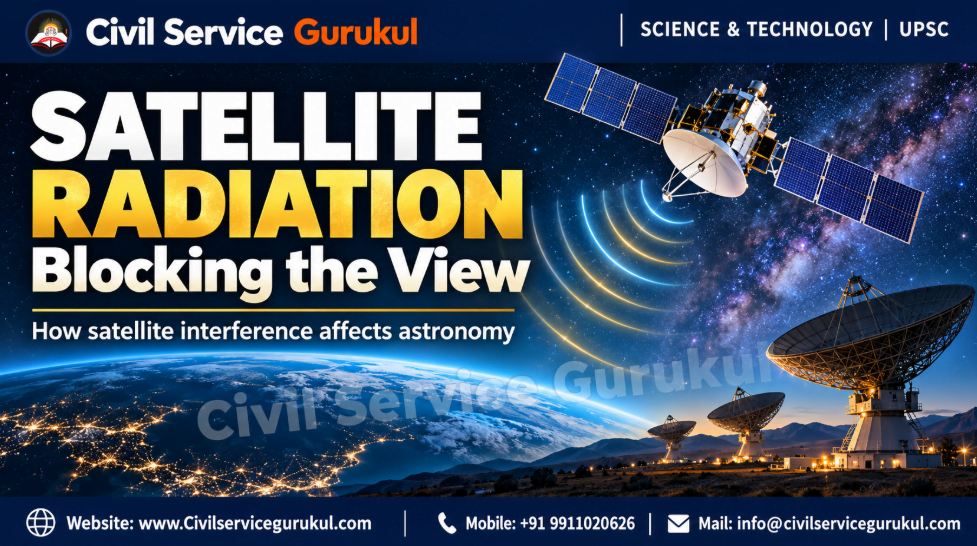
Satellite Radiation: Blocking the View | UPSC Guide
Discover how satellite radiation and reflected sunlight disrupt astronomy. Explore the science, research findings, India’s concerns and UPSC exam takeaways. Satellite constellations expand internet access but can interfere with astronomical observations through radio emissions and reflected sunlight. This exam-oriented article explains the science, implications for India, governance challenges, and measures to protect dark and quiet skies.
Global Carbon Coalition: Why India Should Engage | UPSC
Should India join the Open Coalition on Compliance Carbon Markets? Explore its benefits, risks, links with India’s carbon market and CBAM, and UPSC takeaways. The Open Coalition on Compliance Carbon Markets offers a platform for cooperation on carbon pricing, emissions accounting, and market integrity. India’s engagement could strengthen its domestic carbon market and influence international standards, provided it safeguards development priorities, environmental integrity, and policy autonomy.
CPI Revision 2026: New Base Year, Basket & UPSC Notes
Understand India’s revised Consumer Price Index with base year 2024, updated consumption weights, and a broader basket. Explore its significance for inflation measurement and UPSC. India’s revised CPI series updates the base year from 2012 to 2024 and uses household expenditure data from 2023–24. The article explains changes in coverage, classification, and weights, along with their implications for inflation analysis, policymaking and competitive examinations.
Startup India: Objectives, Schemes & 2026 Updates | UPSC
Explore Startup India’s objectives, DPIIT recognition, funding schemes, and revised 2026 eligibility framework. Prepare for UPSC with key facts, challenges, and practice questions. Startup India promotes innovation, entrepreneurship and employment through regulatory support, funding mechanisms and incubation. This article explains its objectives, revised recognition framework, major schemes, economic significance and implementation challenges.